A truly sustainable residential development is more than a rooftop solar panel or a “green living” tagline on a brochure. It’s a home designed, built, and maintained to use less water, less energy, and fewer high-impact materials without asking residents to compromise on comfort. For buyers evaluating an apartment floor plan or a full villa project, understanding what genuine sustainability looks like helps separate real value from marketing language.
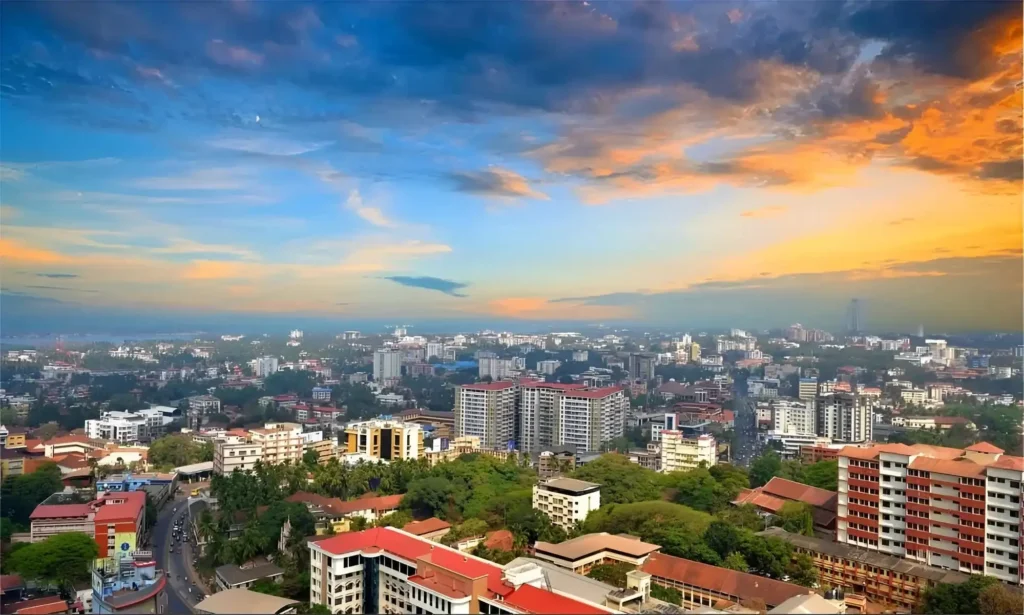
What "Sustainable housing" Actually Means
Sustainability in housing spans four connected areas: water management, energy efficiency, material choices, and long-term livability. A development that gets only one of these right say, solar panels without water-efficient plumbing isn’t fully sustainable, just partially green. The strongest projects treat these as a single integrated system from the design stage, not additions bolted on after construction.
This shift matters because India’s construction sector is one of the largest in the world, and residential projects make up a significant share of that footprint. Developers who build sustainability into the core design rather than treating it as an upgrade tend to deliver homes with lower running costs and better long-term durability. For homebuyers, this translates directly into lower electricity and water bills over the life of the home.
It also connects naturally with Vastu-compliant home design, since both prioritize natural light, airflow, and a home’s relationship with its surrounding environment. A well-oriented, well-ventilated home is often both Vastu-aligned and energy-efficient by design.
Water-Wise Design: Harvesting, Reuse, and Coastal Realities
For a coastal city like Mangalore, water management is one of the most practical sustainability measures a development can adopt. Rainwater harvesting systems capture monsoon runoff for reuse or groundwater recharge, reducing dependence on municipal or borewell supply during drier months. Karnataka’s building regulations have increasingly pushed cities to mandate these systems, reflecting how central water conservation has become responsible urban development.
Greywater recycling reusing water from sinks and showers for gardening or flushing is another practical layer many newer projects are adopting. Combined with low-flow fixtures, these systems can meaningfully cut a household’s water consumption without any change in daily habits. In a region with heavy seasonal rainfall followed by dry summer stretches, this kind of water resilience is not a luxury feature; it’s basic planning.
Well-designed developments also treat landscaping and open spaces as part of the water system permeable pathways, native plantings, and recharge pits that let rainwater return to the ground rather than run off into stormwater drains. This supports the same shared green spaces that make community living more pleasant and sustainable at a neighborhood scale.
Energy Efficiency Through Passive Design
Before adding solar panels or energy-efficient appliances, the most effective sustainability tool is the building’s orientation itself. Positioning a structure to work with the sun’s path, using shading elements, and designing for cross-ventilation can significantly reduce a home’s reliance on air conditioning a major win in Mangalore’s warm, humid climate. This is passive design: comfort achieved through architecture rather than machinery.
Rooftops, once treated as unused space, are now viewed as valuable real estate for solar generation, rainwater collection, or shared green terraces. A development that plans for rooftop solar from the start avoids costly retrofits later and gives residents a genuine path to lower electricity bills. Courtyards, light wells, and larger windows further reduce dependence on artificial lighting during the day.
These passive strategies also align closely with how floor plans are evaluated for comfort a well-oriented layout with good cross-ventilation isn’t just aesthetically pleasing, it’s measurably more energy-efficient over the years a family lives there.
Sustainable Materials and Waste-Conscious Construction in a Sustainable housing
Material choice is where sustainability becomes tangible during construction itself. Builders are increasingly turning to fly ash bricks, which use less water and reduce the soil degradation associated with conventional clay extraction, along with other locally sourced materials that cut down on transportation emissions. Choosing durable, low-maintenance finishes also reduces the frequency of repairs and replacements over a building’s lifetime itself a form of sustainability.
Construction waste management matters just as much as material selection. Developments that plan for waste segregation, recycling of construction debris, and efficient use of raw materials reduce their environmental footprint well before residents move in. This is particularly relevant for larger residential projects where waste volumes can be substantial if left unmanaged.
None of this needs to come at the cost of design quality. In fact, many sustainable materials exposed brick, natural stone, locally sourced wood are also aesthetically distinctive, giving homes character while keeping their environmental impact in check.
Explore livistahomes
Stay informed with the latest insights on sustainable homes, smart living, home buying, Vastu, and modern residential developments. Explore the Livista Homes blog for expert tips and inspiration to help you make confident decisions for your dream home.
Building Better Homes for a Better Tomorrow.
Why Green Certifications Matter to Buyers
For buyers who want proof rather than promises, green building certifications offer a way to verify a project’s sustainability claims. IGBC’s Green Homes and NEST programmes are widely used across Indian residential projects and are accessible even for smaller developments. GRIHA, developed by TERI and adopted by the Government of India, is common for larger and institutional projects, while EDGE certification focuses on measurable, quantified savings in energy, water, and materials.
These certifications aren’t just badges they typically translate into lower utility bills, better resale value, and verified performance rather than marketing claims. For NRI buyers or those purchasing from outside Mangalore, a certified sustainable home offers extra confidence that the building will perform as described, even without an in-person inspection during construction.
At Livista Homes, sustainability isn’t an afterthought it’s part of how we think about every villa and apartment project across Mangalore, from site orientation to material selection. Our Vastu-compliant approach already prioritizes natural light and airflow, which pairs naturally with the passive design principles that make a home genuinely energy-efficient. Every project we deliver is built with the same commitment to quality and durability that has defined Livista Homes since 2013.
If you’re evaluating your next home through a sustainability lens, we invite you to explore our ongoing and completed projects across Mangalore’s most sought-after neighborhoods. Visit livistahomes.com to browse floor plans, connect with our team, and see how thoughtful design and responsible construction come together in a Livista home. For a closer look at what’s currently available, check out our ongoing projects or reach out through our contact page to schedule a visit.
FAQs
Verify the builder's RERA registration, land title clarity, approved building plan, and possession timeline. It's also worth checking the project's proximity to schools, hospitals, and workplaces before finalizing.
Yes gated communities are increasingly preferred for their security, amenities, and well-planned infrastructure, especially among NRI and IT-sector buyers looking for a managed, low-maintenance lifestyle.
Many Mangalore buyers prioritize Vastu-compliant layouts for peace of mind and resale appeal. While not mandatory, it's a common preference that can widen your pool of future buyers if you plan to resell.
Most buyers use home loans from banks or NBFCs, with eligibility based on income, credit score, and property value. NRIs typically have access to specialized NRI home loan products as well.
Yes, ongoing infrastructure upgrades, smart city initiatives, and rising demand from NRIs and professionals are strengthening Mangalore's long-term real estate outlook.