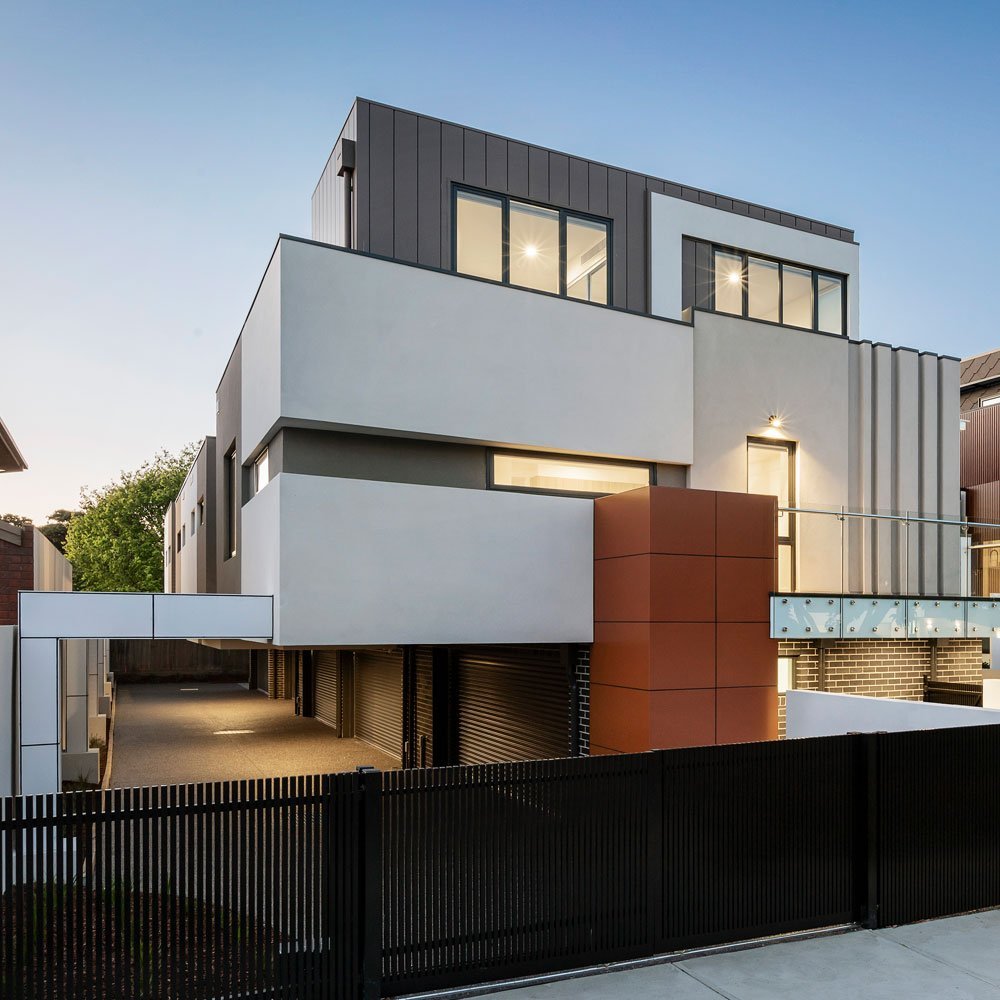
Buying a home is one of the biggest financial decisions most people make, and in Mangalore’s growing property market, the paperwork behind that purchase matters as much as the property itself. A clean, verified set of legal documents is what stands between a safe investment and a costly dispute years later. Here’s exactly what every first-time buyer or NRI should check before signing anything.Property verification documents.

Start With Ownership: Sale Deed, Title Deed, and Mother Deed
The Sale Deed and Title Deed are the documents that legally establish who owns the property and confirm how that ownership will pass to you. Without a clear title, nothing else about the purchase matters, no amount of amenities or location advantage compensates for a disputed ownership chain. If you’re weighing a resale flat against a fresh launch, this is worth reading alongside our guide on under-construction vs ready-to-move apartments, since title complexity often differs between the two.
The Mother Deed takes this a step further, tracing ownership back through previous transactions ideally 13 to 30 years to rule out any historical gap or unresolved claim. Buyers relying on a home loan will find their bank insists on this document too, since lenders won’t finance a property with an unclear ownership trail.Property verification documents.
Confirm the Property Is Debt-Free
An Encumbrance Certificate (EC), obtained from the Sub-Registrar’s office or Karnataka’s Kaveri 2.0 portal, shows whether any loan, mortgage, or legal claim is registered against the property. Request records covering at least 13 to 30 years, and check that the final entry matches the current seller’s acquisition. Any mortgage entry without a corresponding discharge is a warning sign that needs resolving before you proceed. This single check has saved many buyers from inheriting someone else’s debt.Property verification documents.
Check Municipal Recognition: Khata and Property Tax Records
In Mangalore, properties are recorded with the Mangaluru City Corporation through a Khata Certificate and Khata Extract, which matter for tax payment, building approvals, and utility connections. Karnataka properties fall into two categories A Khata (clear, regularized) and B Khata (irregular) and buyers should insist on A Khata status, since B Khata properties are harder to finance and resell. This kind of due diligence pairs naturally with broader planning around common mistakes first-time homebuyers should avoid, where paperwork gaps are a recurring theme.
Alongside the Khata, request at least three years of property tax receipts to confirm there are no pending dues against the property; an unpaid tax bill can become the buyer’s problem the moment ownership transfers.
Verify RERA Registration Directly
Any residential project launched after May 2017 above the applicable size threshold must be registered with the Karnataka Real Estate Regulatory Authority. Don’t take the registration number printed in a brochure at face value, look it up directly on the official K-RERA portal, which also shows the promised completion date and any complaints filed against the builder. For buyers evaluating a builder’s track record, this is worth cross-referencing with a look at Livista Homes’ completed residential projects, which reflects delivery history against approved plans.
Match Construction to What Was Approved
The Approved Building Plan shows exactly what the local planning authority sanctioned and it’s worth comparing this against the actual structure to rule out unauthorized deviations. Once construction wraps up, the Occupancy Certificate (OC) confirms the building meets safety norms and is legally fit for occupation. Never take possession of a “ready” flat without seeing the OC in hand; it’s the single document that separates a technically finished building from a legally habitable one.
Protect the Transaction Itself
For under-construction homes, the Sale Agreement or Construction Agreement spells out payment schedules, possession timelines, and penalty clauses for delays. This clause deserves close attention in Mangalore, where monsoon weather routinely affects construction timelines, a detail worth keeping in mind alongside our broader look at what makes Mangalore’s residential market attractive to buyers and investors. Finally, the Possession Certificate, issued at registration, is the formal record confirming the builder or seller has handed the property over to you.
If sustainability and long-term livability are also on your checklist, it’s worth pairing this legal review with what to look for in a well-designed home. Our piece on how sustainable homes improve quality of life covers exactly that. And if you’re specifically evaluating flats, our customer guide for buying flats in Mangalore walks through the process end-to-end.
Explore livistahomes
Stay informed with the latest insights on sustainable homes, smart living, home buying, Vastu, and modern residential developments. Explore the Livista Homes blog for expert tips and inspiration to help you make confident decisions for your dream home.
Building Better Homes for a Better Tomorrow.
Conclusion
No single document tells the whole story of a property title, municipal, regulatory, and construction-compliance records each protect against a different risk. Buyers who verify all of them, ideally with a property lawyer’s help, put themselves in the strongest possible position before signing. At Livista Homes, every project is delivered with RERA compliance and clear documentation from day one. get in touch to see our verified project paperwork firsthand.
FAQ
The essentials are the Sale Deed, Title Deed, Mother Deed, Encumbrance Certificate, Khata Certificate, RERA registration, Approved Building Plan, and Occupancy Certificate. Together these confirm clear title, debt-free status, municipal recognition, and regulatory compliance.
An Encumbrance Certificate, issued by the Sub-Registrar's office (or Karnataka's Kaveri 2.0 portal), shows whether a property has any pending loans, mortgages, or legal claims against it. Buyers should check records covering at least 13–30 years before purchase.
A Khata indicates a property with clear, regularized municipal status, while B Khata indicates an irregular status that can complicate financing and resale. Buyers should confirm A Khata status before proceeding with a purchase.
Look up the project directly on the official Karnataka RERA portal (rera.karnataka.gov.in) using the project name or registration number, rather than relying on the number printed in marketing materials. The portal also shows the promised completion date and any complaints filed against the developer.
The Occupancy Certificate confirms that a completed building meets safety norms and is legally fit for habitation. Buyers should never take possession of a "ready" flat without first confirming the OC is in place.