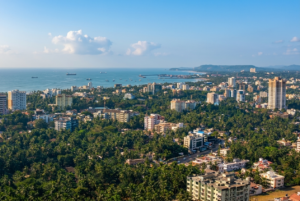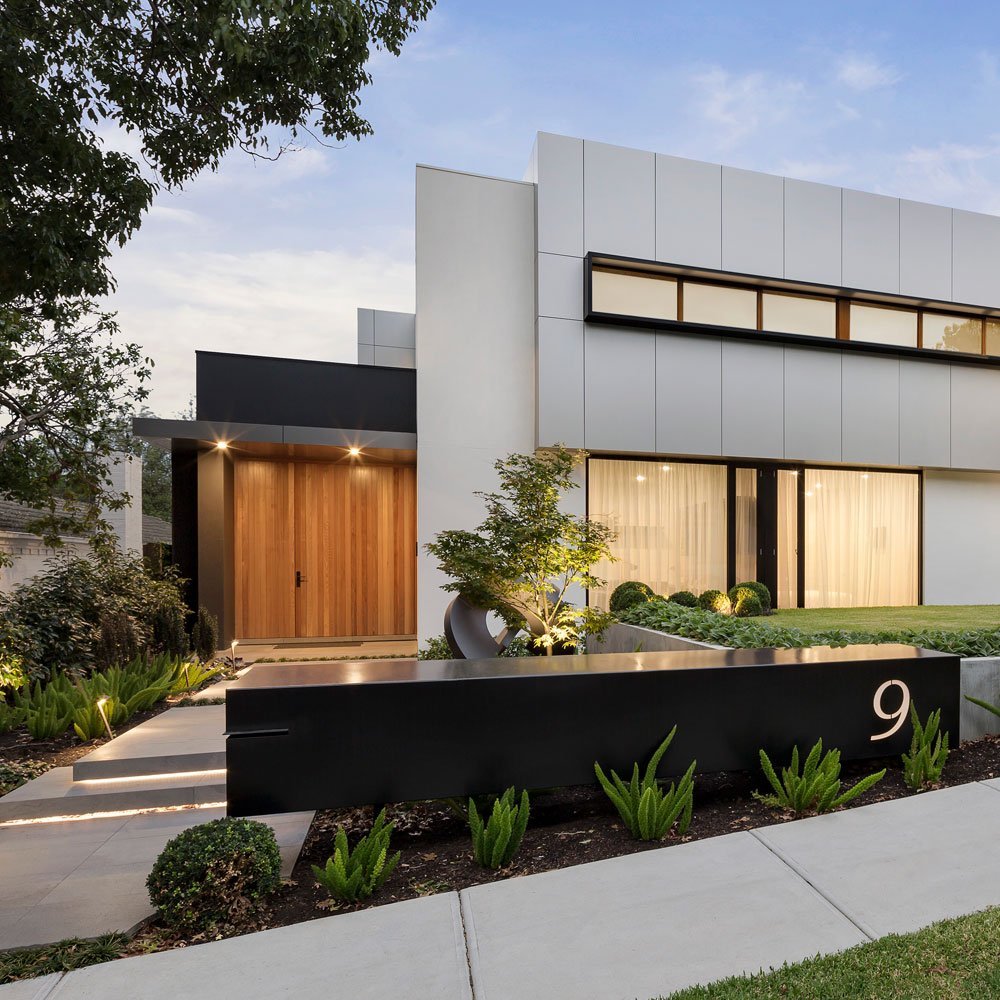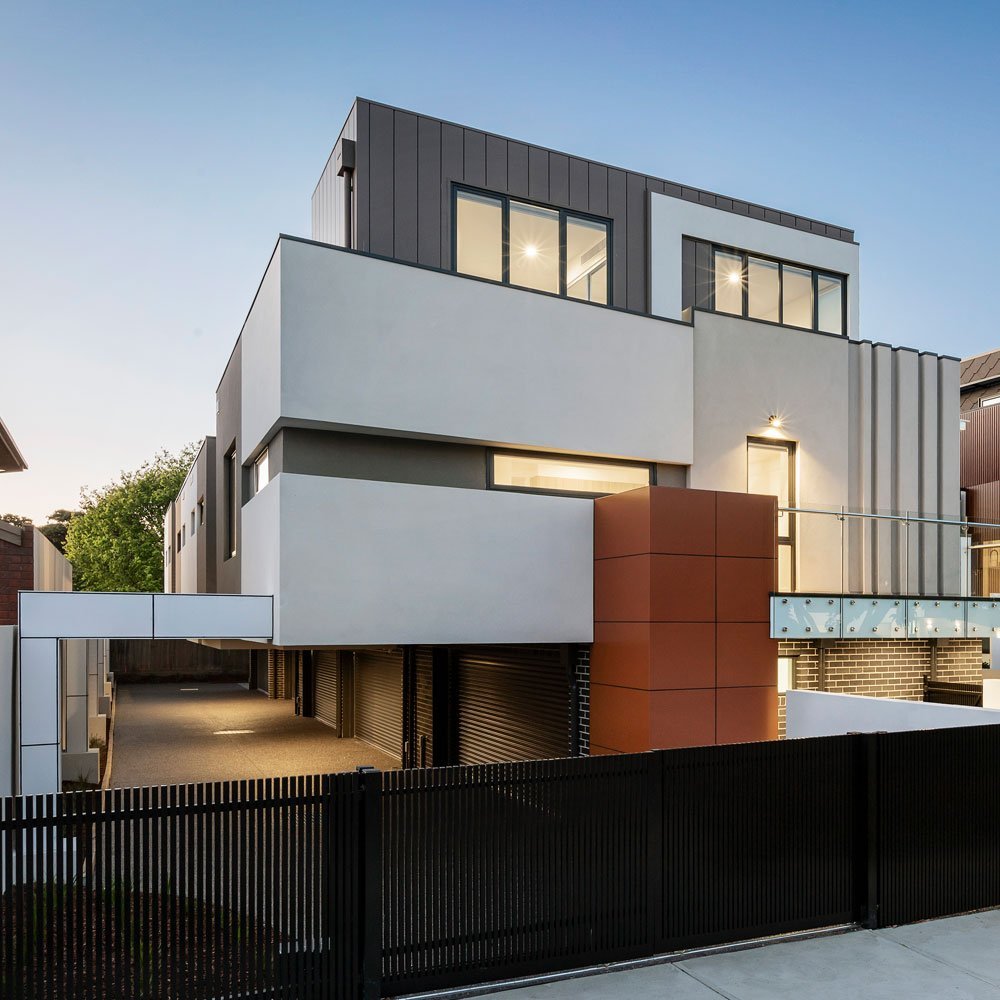
Mangalore’s Residential Market is not limited to ready-to-move-in apartments. Plotted developments are gaining traction. Under-construction projects are also being explored. Redevelopment opportunities in older neighborhoods are attracting investors too. These investors recognize the city’s long-term potential.
Areas such as jeppinamogaru, Kottara, Bejai, Kadri, and Surathkal have emerged as hotspots. Both rental yield and capital appreciation are expected to perform well in these zones. Infrastructure projects are maturing across these micro-markets. As a result, property values are anticipated to rise notably. Early investment is particularly attractive for this reason. Buyers who enter before prices peak stand to benefit the most.
Mangalore Urban Development and Its Ripple Effect on Housing
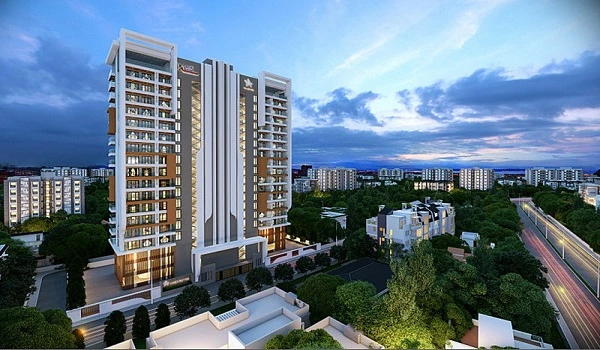
Mangalore urban development has been progressing steadily, with the city’s municipal corporation and urban planning bodies focusing on better road networks, drainage systems, and zoning regulations. This structured approach to growth is being credited with making the city more livable and, consequently, more desirable for residential investment.
As urban sprawl extends toward the outskirts, new residential pockets are being created where land was previously underutilized. This expansion is gradually being absorbed by developers who are launching projects tailored to the needs of modern families, blending convenience with affordability.
Mangalore Infrastructure Development Fueling Long-Term Confidence
Mangalore’s infrastructure growth is the biggest driver of optimism in its property market. Key projects include the expansion of Mangalore International Airport, upgrades to NH-66, and development along the MRPL corridor. These initiatives have boosted connectivity and economic activity.
Experts agree that strong infrastructure usually comes before real estate appreciation. Mangalore is following this trend. As highways widen and public transport improves, once-remote peripheral areas are now seen as attractive residential zones.
Smart City Development in Mangalore and Its Impact on Property Values
Smart city development in Mangalore is still evolving. However, it has brought a fresh focus on sustainable urban planning, digital governance, and better civic amenities. Key initiatives target improved waste management, smart traffic systems, and digitized municipal services. These are being rolled out gradually. They clearly signal the city’s intent to modernize.
This progress is expected to raise residents’ quality of life. In turn, it will strengthen buyer confidence in the housing market. Properties near smart city initiative zones should become higher-value assets in the coming years. Amenities and governance will improve alongside rising demand.
The Role of Affordability in Sustaining Market Growth
Many coastal and metro cities have seen steep price rises. Mangalore, however, has kept its housing relatively affordable. This balance of growth and accessibility remains one of the city’s strongest selling points.
More developers are now entering the market with mid-segment and affordable housing projects. As a result, the city is expected to keep serving a wide range of buyers. This includes young professionals as well as retirees looking for a peaceful coastal lifestyle.
Challenges That Could Shape the Market's Trajectory
No growth story is without its challenges, and Mangalore’s residential market is no exception. Issues such as monsoon-related construction delays, fragmented land records in certain areas, and the pace of regulatory approvals have occasionally slowed project timelines. However, these challenges are being addressed through improved digitization of land records and stricter adherence to RERA guidelines, which are gradually building greater transparency into the buying process.
Explore livistahomes
Stay informed with the latest insights on sustainable homes, smart living, home buying, Vastu, and modern residential developments. Explore the Livista Homes blog for expert tips and inspiration to help you make confident decisions for your dream home.
Building Better Homes for a Better Tomorrow.
Conclusion
The future of real estate growth in Mangalore looks promising, supported by a combination of infrastructure upgrades, urban development initiatives, and shifting residential preferences. As the city continues to balance affordability with modernization, it is likely to remain an attractive destination for both end-users and investors over the coming years.
For those looking to explore residential opportunities in this evolving market, Livista Homes offers thoughtfully designed projects that align with Mangalore’s growth trajectory. Visit livistahomes.com to discover homes built for the city’s future.
FAQs
1. Is Mangalore a good city for real estate investment in 2026?
Yes, Mangalore is increasingly being viewed as a promising investment destination due to its infrastructure upgrades, affordability, and growing demand from NRIs and IT professionals.
2. Which areas in Mangalore are best for residential investment?
Localities such as Jeppinamogaru, Kottara, Bejai, Kadri, and Surathkal are currently considered strong options due to their connectivity and ongoing development.
3. How is smart city development in Mangalore affecting property prices?
Smart city initiatives are expected to improve civic infrastructure and quality of life, which is likely to gradually push property values upward in well-connected zones.
4. What type of residential properties are in demand in Mangalore?
Compact 2BHK and 3BHK apartments in gated communities are currently preferred, although villas and plotted developments remain popular among NRI investors.
5. How can I explore residential projects in Mangalore?
Prospective buyers can visit livistahomes.com to explore curated residential projects designed to match Mangalore’s evolving urban landscape.