Choosing between an under construction apartment and a ready-to-move flat is one of the first big forks in the road for any homebuyer. Both paths lead to homeownership, but they differ sharply in price, risk, paperwork, and timeline. This guide breaks down the real trade-offs cost, GST, possession risk, customization, financing, and investment potential so you can decide with confidence rather than guesswork.
Price Difference Between Under Construction and Ready-to-Move Apartments
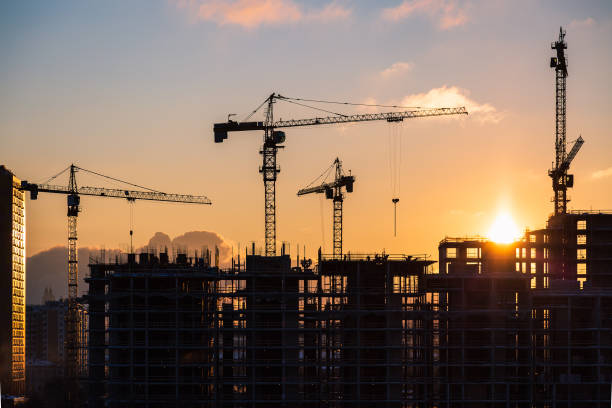
Under construction apartments are almost always priced lower than a comparable ready-to-move unit in the same locality, sometimes by a meaningful margin. Builders use this pricing gap deliberately, pairing it with pre-launch offers and staggered, milestone-linked payment plans to attract early buyers and keep the project funded. It’s a straightforward exchange: pay less now, but wait longer for your keys.
Ready-to-move flats command a premium precisely because that wait is eliminated. Buyers are paying for certainty the building exists, the floor plan is fixed and visible, and the amenities are already functional rather than promised. For someone who values predictability over savings, this premium is often worth paying.
The right call here usually comes down to how much financial flexibility you have and how long you’re willing to wait. Buyers stretching their budget may find under construction apartments more accessible, while those who want to avoid rent-and-EMI overlap often lean toward paying more upfront for immediate possession.
GST Implications on Under Construction vs Ready Flats
GST is one of the most overlooked cost factors when comparing these two options. Under construction residential property attracts GST 1% without input tax credit for affordable housing (carpet area up to 60 sqm in metros or 90 sqm in non-metros, priced at ₹45 lakh or below), and 5% without input tax credit for every other residential unit. This tax is calculated on the base price and added to your total outlay.
Ready-to-move flats sidestep this entirely. The moment a project receives its Completion Certificate or Occupancy Certificate, it’s legally reclassified as immovable property rather than a “supply of construction service,” which makes it fully GST-exempt. This single distinction can shift the cost math meaningfully, especially on higher-value apartments where the 5% slab applies.
Stamp duty and registration charges still apply to both categories regardless of GST status, so they shouldn’t be confused with this exemption. When comparing quotes from builders, always ask for an all-inclusive cost sheet that separates base price, GST, and registration charges this is the only way to compare a Mangalore under construction apartment fairly against a ready unit.
Managing Possession Risk with RERA
The single biggest historical concern with under construction apartments has been possession delay. Projects can stall due to funding gaps, slow regulatory approvals, labour shortages, or financial trouble at the builder’s end, leaving buyers waiting well past their promised date. This uncertainty is the trade-off buyers accept in exchange for a lower price.
The Real Estate (Regulation and Development) Act, 2016 has meaningfully reduced this risk. RERA requires developers to register projects, disclose realistic timelines, use escrow accounts for project funds, and compensate buyers for unreasonable delays. It has brought a level of transparency and accountability that simply didn’t exist for buyers a decade ago.
That said, RERA registration alone isn’t a guarantee it reduces risk, it doesn’t eliminate it. Before booking, check the developer’s past delivery record, read the RERA disclosures carefully, and if possible, visit an earlier completed project by the same builder. If you’d rather remove this risk altogether, choosing an apartment in Mangalore that’s already complete is the safer route.
Customization Options vs Physical Verification
One underrated advantage of buying early into an under construction project is the ability to influence your home before it’s finished. Many developers allow buyers to choose layouts, interior finishes, tile selections, and sometimes even structural tweaks during the build. For buyers who want a home shaped around their preferences including Vastu-aligned layouts this window matters.
Ready-to-move buyers lose that flexibility, since the unit is delivered exactly as built. What they gain instead is the ability to physically walk through the actual apartment, check construction quality, verify natural light and ventilation, and confirm that amenities are genuinely functional rather than rendered in a brochure. There’s no gap between promise and delivery.
This is ultimately a personalization-versus-certainty decision. If shaping your home matters more to you than seeing it finished, under construction works in your favour. If you’d rather see exactly what you’re paying for before signing anything, ready-to-move removes that guesswork entirely.
Loan Disbursement and Tax Benefits
Home loans for under construction apartments are released in stages, tied to construction milestones, which means your EMI typically starts small and grows as disbursements increase, often called a “pre-EMI” phase. Ready-to-move loans work differently: the full amount is disbursed at once, and your regular EMI begins immediately upon registration.
There’s a tax upside for under construction buyers, though. Under Section 24(b) of the Income Tax Act, interest paid during the construction period can be claimed as a deduction, split into five equal instalments starting the year construction is completed. It’s a meaningful benefit, but one that only pays off once possession happens.
One practical catch worth planning for: buyers who are renting elsewhere while their under construction flat is being built may face a period of paying both rent and pre-EMI simultaneously. Ready-to-move buyers avoid this overlap entirely, since possession and loan repayment begin on the same day.
Which Option Suits Investors Better?
For buyers thinking about long-term returns, under construction apartments carry real appreciation potential as construction progresses and the surrounding area develops, the property’s value can rise before you’ve even taken possession. This is particularly relevant in a market like Mangalore, where ongoing infrastructure growth is actively reshaping several micro-markets.
Ready-to-move properties, on the other hand, offer something under construction that can’t: immediate rental income. There’s no gap between purchase and cash flow, which makes RTM attractive to investors who prioritize steady returns over speculative upside. It’s a trade-off between patience-for-growth and certainty-for-income.
Neither approach is objectively better the right one depends on your investment horizon and risk appetite. If you’re building long-term wealth and can tolerate construction-period uncertainty, under construction may serve you well. If you want your investment working for you from day one, ready-to-move is the more predictable path.
Explore livistahomes
Stay informed with the latest insights on sustainable homes, smart living, home buying, Vastu, and modern residential developments. Explore the Livista Homes blog for expert tips and inspiration to help you make confident decisions for your dream home.
Building Better Homes for a Better Tomorrow.
Making the Right Choice for Your Next Home
Under construction and ready-to-move apartments each solve for different priorities one favours cost and customization, the other favours certainty and speed. There’s no universally “correct” answer; the right choice depends on your budget, timeline, and comfort with risk. What matters most is going in with clear eyes on the trade-offs covered here.
If you’re currently comparing options in Mangalore, it also helps to think about how your choice fits your broader plans from floor plan preferences to financing. At Livista Homes, our team can walk you through both under construction and ready-to-move options currently available, and help match one to your specific needs. Reach out to us today to explore what fits you best.
FAQs
What are the disadvantages of under-construction property?
Disadvantages of Buying Under-Construction Properties
There may be construction delays, design or layout changes, and discrepancies in promised amenities. RERA-approved projects usually avoid such complications.
Which property investment is best under-construction or ready possession?
Because there’s a time gap between when you buy a property and when it’s ready to be delivered, the price of under-construction properties usually goes up.That’s why these types of properties are often seen as offering better returns on investment.
What is the price difference between under-construction and ready-to-move?
Properties that are still being built in Bangalore usually cost 15 to 20 percent less than apartments that are already ready to move into in the same area.
What decreases property value the most?
The main reason property values drop is because of a bad, worsening, or unappealing location, which can permanently cut values by up to 20-22%.Being close to poor schools, sewage facilities, adult entertainment spots, or areas with high crime rates quickly limits who wants to buy the home, no matter how nice the house itself is.
Can I get tax benefit for under-construction property?
Yes, you can claim tax benefits, but you cannot deduct the interest portion while the property is still being built.You can only claim these deductions in five equal parts, starting from the financial year when the construction is finished and you take possession of the property.