Sustainable homes are no longer a niche preference; they are becoming the standard for buyers who want comfort, savings, and long-term value in one package. In a coastal city like Mangalore, where humidity, heavy monsoons, and rising energy costs shape daily living, sustainable design solves real problems rather than just checking an eco-friendly box. Here’s how sustainable homes actually improve your quality of life, from your monthly bills to your health to your long-term investment.
Lower Energy Bills Through Smart Design
Sustainable homes are built around passive design principles, thoughtful orientation, cross-ventilation, and shading that reduce dependence on artificial cooling. In Mangalore’s warm, humid climate, this alone can make a noticeable difference to monthly power bills. Add solar panels and energy-efficient lighting, and the savings compound year after year.
This isn’t just about cutting costs, it’s about comfort that doesn’t rely on running appliances constantly. A well-ventilated home stays livable even during power cuts, which matters more in coastal regions prone to monsoon-related outages. Over a decade of ownership, these design choices add up to meaningful financial and lifestyle benefits.
Buyers evaluating new homes should ask about orientation, window placement, and insulation as seriously as they ask about square footage. These details rarely show up in a brochure, but they shape how a home actually feels to live in.
Better Indoor Air Quality and Everyday Health
Sustainable construction favors low-VOC paints, natural materials, and proper ventilation all of which directly affect the air residents breathe every day. Poorly ventilated homes trap humidity and pollutants, contributing to allergies, respiratory discomfort, and mold growth, especially during Mangalore’s long monsoon season.
Homes designed with sustainability in mind actively work against these issues. Cross-ventilation reduces trapped moisture, while non-toxic materials lower the chemical load inside living spaces. The result is a home environment that supports health rather than working against it.
For families with children or elderly residents, this consideration often matters more than aesthetic upgrades. Air quality is invisible until it becomes a problem, which makes it one of the most underrated reasons to choose sustainable construction.
Water Management Built for Mangalore's Monsoons
Water efficiency looks different in a high-rainfall coastal city than it does elsewhere in India. Rainwater harvesting systems capture what would otherwise run off during Mangalore’s intense monsoons, easing pressure on municipal supply during drier months. Paired with water-efficient fixtures, this reduces both waste and utility costs.
This is a case where sustainable design directly addresses a regional reality rather than a generic environmental goal. Mangalore’s rainfall is abundant but seasonal, and homes that are engineered to store and use it wisely are simply better equipped for the local climate.
For buyers, this translates into fewer water shortages during summer months and lower dependence on tanker deliveries, a practical, everyday quality-of-life improvement.
Stronger Resale Value in a Growing Market
Sustainable homes increasingly command stronger resale value as buyer preferences shift toward efficient, lower-maintenance properties. This is especially true in markets like Mangalore, infrastructure growth and smart city initiatives are reshaping buyer expectations. As demand for efficient housing rises, sustainably built homes are positioned to hold their value better than conventional alternatives.
Lower ongoing costs also make sustainable homes more attractive to future buyers, which strengthens resale positioning. A home that costs less to run is simply easier to sell the savings argument works in the owner’s favor twice, first while living there and again at resale.
This makes sustainability as much a financial decision as an environmental one, particularly in a market where property values are still developing.
Part of Mangalore's Bigger Growth Story
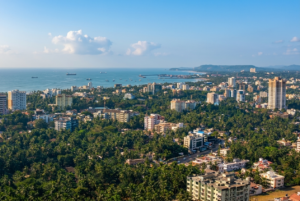
Mangalore’s real estate market is evolving alongside the city itself, with growing demand for eco-friendly, gated developments echoing trends seen in nearby Bengaluru. Sustainable homes fit naturally into this trajectory, aligning individual buyer choices with the city’s broader push toward smarter, greener urban living.
Choosing a sustainable home today means buying into where the market is headed, not just where it stands now. As more residents and developers prioritize efficiency, early adopters benefit from being ahead of a shift that’s already underway.
For buyers weighing long-term value alongside immediate comfort, this alignment between personal choice and city-wide direction is a meaningful advantage.
Explore livistahomes
Stay informed with the latest insights on sustainable homes, smart living, home buying, Vastu, and modern residential developments. Explore the Livista Homes blog for expert tips and inspiration to help you make confident decisions for your dream home.
Building Better Homes for a Better Tomorrow.
Conclusion
Sustainable homes improve quality of life in ways that are practical, measurable, and specific to where you live, not just abstract environmental benefits. In Mangalore, that means lower energy and water bills, healthier indoor air, and stronger resale value as the market matures. If you’re exploring homes built with these priorities in mind, Livista Homes designs residences that bring sustainability and comfort together and reach out to learn more about our current projects.
FAQ
A sustainable home is designed to reduce energy and water use, use eco-friendly materials, and support better indoor health — through features like passive cooling, solar panels, rainwater harvesting, and low-VOC materials.
Sustainable homes can carry a slightly higher upfront cost, but lower energy and water bills, reduced maintenance, and stronger resale value typically offset this over time.
Features like rainwater harvesting, proper drainage, and cross-ventilation are built to handle Mangalore's heavy rainfall and humidity, reducing water shortages in dry months and preventing moisture-related issues indoors.
Yes. As buyer demand shifts toward efficient, lower-maintenance homes, sustainably built properties tend to be more attractive to future buyers and hold resale value better than conventional homes.
Yes — lower running costs make budgeting easier long-term, and choosing a sustainable home early means avoiding retrofit costs that come with upgrading a conventional home later.